


Rat IL-6 (Interleukin-6) ELISA Kit
Quantitative double-antibody sandwich ELISA kit for measuring rat IL-6 (Interleukin-6) in Serum, Plasma, Cell Culture Supernatant, and cell or tissue lysate. Includes sensitivity 37.5pg/mL, detection range 62.5–4000pg/mL for immunology research. Includes assay time 4 hours.
| Catalog No. | Size | Availability | Price | Qty | Order |
|---|---|---|---|---|---|
| ER0042-96T | 96 T | In Stock at Manufacturer | $455.00 |
|
Overview
What is rat il-6 (interleukin-6) elisa kit?
Background
rat IL-6 (Interleukin-6) is a molecular target commonly studied in immunology, cardiovascular, and cancer research. Cytokines are secreted signaling proteins that coordinate immune responses and inflammation through receptor-mediated pathways.
Biological role and mechanism
The biological role of IL-6 is typically understood in terms of its molecular category and interaction network. Depending on the model system, it may participate in cell–cell communication, intracellular signaling, enzymatic processing, or regulation of gene expression programs. Mechanistic interpretation is often strengthened by considering upstream regulators and downstream readouts rather than relying on a single marker.
Expression and abundance of IL-6 can vary by tissue, cell type, and physiological state. In many systems, levels are influenced by factors such as developmental stage, immune activation, metabolic status, and cellular stress. Because sample matrix and pre-analytical handling can affect measured concentrations, interpretation is typically strongest when experiments keep collection and processing consistent across groups.
Nomenclature and related terms
IL-6 (Interleukin-6) may also be referenced as Interleukin-6, IL-6, and B-cell stimulatory factor 2 in the literature or in databases. When comparing results across studies, confirm that the reported analyte refers to the same molecule, species context, and molecular form (e.g., precursor vs mature protein, or soluble vs membrane-associated forms).
Why it matters in research
- Understanding how IL-6 relates to innate and adaptive immune responses, cytokine signaling networks, host–pathogen interactions, and immune cell activation and trafficking in immunology, cardiovascular, and cancer research.
- Interpreting shifts in IL-6 levels alongside other pathway components or complementary markers.
- Connecting molecular changes to phenotypes such as inflammation, remodeling, metabolism shifts, or cell-state transitions (context-dependent).
Molecular forms and interpretation
For some targets, isoforms, proteolytic processing, or post-translational modifications (such as phosphorylation or glycosylation) can influence function and apparent abundance. If multiple molecular forms are expected in your model, align interpretation with the form most relevant to the biological question.
Disease and translational relevance
IL-6 has been investigated across diverse physiological and disease contexts, and changes in its abundance have been reported in areas aligned with immunology, cardiovascular, and cancer studies. These associations are interpreted as research findings rather than diagnostic or therapeutic claims, and they should be evaluated alongside model-specific covariates and study design.
Details
Specifications
Applications
Applications & how to use
ELISA
Quantifies a soluble analyte using antibody capture and enzyme-linked detection on a microplate, giving concentration readouts against a standard curve.
Cytokine Secretion Assay
Evidence
Validation & QC
Validation data for this product isn’t published yet.
Need specific QC or validation results — titer, purity, endotoxin, or assay data — for your application? Our scientific team can share what is available for this product and lot on request.
Request validation dataManufacturing
How it's made & quality control
Supplier quality control
ELISA kits and immunoassay reagents are validated for sensitivity, specificity, recovery and linearity, with lot-specific standard curves supplied.
Kit inserts document detection range, sample types and intra-/inter-assay CVs; antibodies include validated applications.
Quality system certified to ISO 9001:2015; lot-specific Certificate of Analysis provided.
Supplier-level quality statement. For lot-specific results, request the Certificate of Analysis for your batch.
Questions
Frequently asked questions
Answered by our team
Questions from researchers
No researcher questions have been answered for this product yet. Ask our technical team and we'll get back to you — approved answers are published here.
Ask our technical team
Reviewed by a scientist — typically answered within one business day.
Deals
Promotions
Codes apply at checkoutReferences
Citations & references
Broad‐Spectrum ROS/RNS Scavenging Catalase‐Loaded Microreactors for Effective Oral Treatment of Inflammatory Bowel Diseases
IF: 13 Journal: Small Author: Institute of Functional Nano & Soft Materials (FUNSOM), Jiangsu Key Laboratory for Carbon-Based Functional Materials & Devices, Soochow University, 199 Ren'ai Road, Suzhou, Jiangsu, 215123, P. R. China. Cited Date: 2025-05-09
Ultrasound Trigger Ultrasmall Multifunction Nanobubbles for Thrombus Visual Treatment
IF: 10 Journal: Advanced Healthcare Materials Author: Department of Ultrasound, Affiliated Hospital of North Sichuan Medical College, Nanchong, 637000, China. Cited Date: 2025-06-13
Sclareol alleviates synovial inflammation in knee osteoarthritis by regulating sphingolipid metabolism along the gut–bone axis
IF: 8.3 Journal: Phytomedicine Author: Department of Orthopaedics and Traumatology, Affiliated Hospital of Nanjing University of Chinese Medicine, Jiangsu Provincial Hospital of Traditional Chinese Medicine, Nanjing 210023, China. Cited Date: 2025-11-28
Xiaoyao San and Guipi Tang, alone or combined, relieve postpartum depression via AGE?RAGE?mediated autophagy and apoptosis
IF: 8.3 Journal: Phytomedicine Author: Department of Traditional Chinese medicine, Inner Mongolia Medical University, Hohhot 010110, Inner Mongolia, China. Cited Date: 2025-10-11
c-FLIP Protects Cardiac Microcirculation in Sepsis-Induced Myocardial Dysfunction Via FUNDC1-Mediated Regulation of Mitochondrial Autophagy
IF: 7.2 Journal: JACC: Basic to Translational Science Author: Department of Critical Care Medicine, The First Affiliated Hospital of Xi'an Jiaotong University, Xi'an, Shaanxi, China. Cited Date: 2025-10-11
The dual gastro-and neuroprotective effects of curcumin loaded chitosan nanoparticles against cold restraint stress in rats
IF: 6.529 Journal: Biomedicine & Pharmacotherapy Cited Date: 2022-03-11
Zinc supplementation in normal conditions increases the pro-inflammatory cytokines
IF: 6.369 Journal: DRUG INVENTION TODAY Cited Date: 2019-08-25
Exposure to four typical heavy metals induced telomere shortening of peripheral blood mononuclear cells in relevant with declined urinary aMT6s in rats
IF: 6.2 Journal: Ecotoxicology and Environmental Safety Author: The Key Laboratory of Environmental Pollution Monitoring and Disease Control, Ministry of Education, School of Public Health, Department of Toxicology, Guizhou Medical University,?Guian New Area, Guizhou 561113,?China. Cited Date: 2024-08-02
The prenatal challenge with lipopolysaccharide and polyinosinic:polycytidylic acid disrupts CX3CL1-CX3CR1 and CD200-CD200R signalling in the brains of male rat offspring: a link to schizophrenia-like behaviours
IF:
In the literature
Research using this product
Every paper below cites this product's catalogue number in its methods. Each entry shows what was measured, the sample type where the paper states it, and the sentence the catalogue number appears in, and a link to the figure showing that data — so you can confirm the use case before citing.
Auto-discovered from Europe PMC by manufacturer number / product name / keyword plus supplier. A match may reference a related product; confirm relevance before citing.
Customization
Customization & sourcing
Can’t Find What You’re Looking For? We can help you source the best match or customize an ELISA solution for your study. Options may include alternative target synonyms, different species reactivity, sample type/matrix compatibility (serum/plasma/lysate/supernatant), assay format (sandwich/competitive), sensitivity/range, detection chemistry (colorimetric/fluorescent/chemiluminescent), plate format (pre-coated/uncoated, strips vs full plate), and bulk or custom packaging. Click Talk to a Scientist to submit a request form, email us at support@biohippo.com, or explore our Research Services for additional support. Our team will be in contact with you shortly.
Explore
Collections featuring this product
This product is included in the curated collections below. Browse a collection to source everything for a workflow from a single cart.
From the blog
Related articles & guides
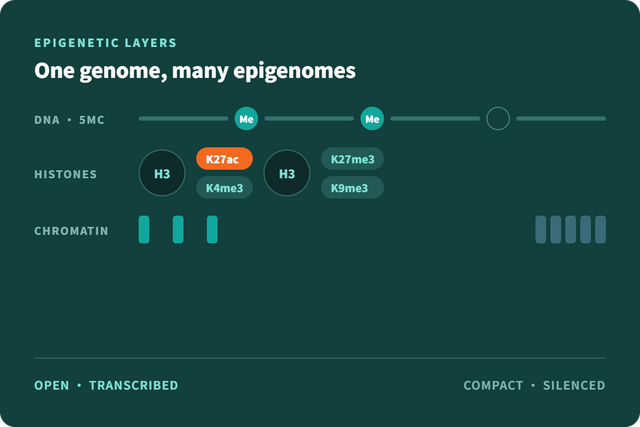 Application NoteUnderstanding Epigenetic Mechanisms: A Researcher's PrimerAn epigenetics primer for bench scientists: how DNA methylation, histone modifications, and non-coding RNA control gene activity, the methods used...
12 min read· Aug 2026
Application NoteUnderstanding Epigenetic Mechanisms: A Researcher's PrimerAn epigenetics primer for bench scientists: how DNA methylation, histone modifications, and non-coding RNA control gene activity, the methods used...
12 min read· Aug 2026
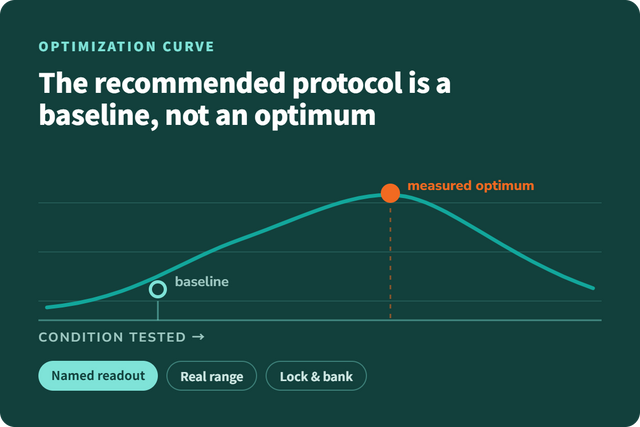 Research guideCell Culture Optimization: A Researcher's PrimerCell culture optimization is the deliberate, documented adjustment of a culture system so the cells behave in a way that...
12 min read· Aug 2026
Research guideCell Culture Optimization: A Researcher's PrimerCell culture optimization is the deliberate, documented adjustment of a culture system so the cells behave in a way that...
12 min read· Aug 2026
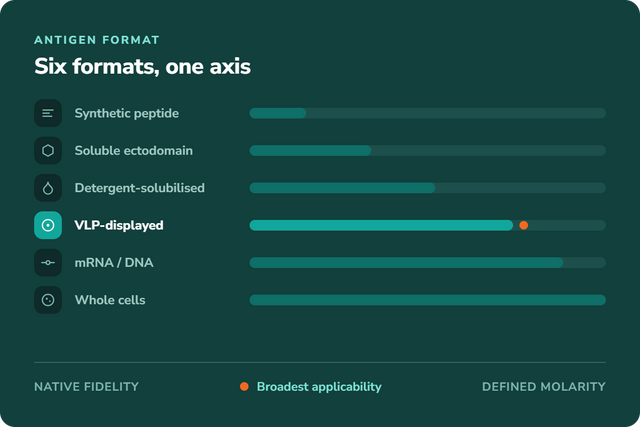 Application NoteChoosing an Antigen for Membrane Protein Antibody DiscoveryA GPCR, a claudin or an ion channel cannot be expressed as a soluble protein. Seven antigen formats, what each...
14 min read· Aug 2026
Application NoteChoosing an Antigen for Membrane Protein Antibody DiscoveryA GPCR, a claudin or an ion channel cannot be expressed as a soluble protein. Seven antigen formats, what each...
14 min read· Aug 2026
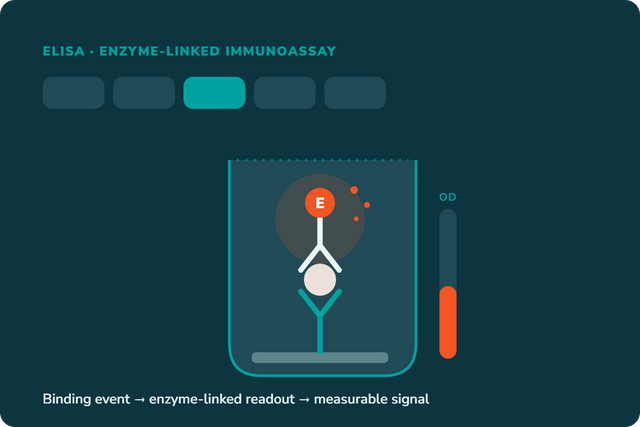 Application NoteTypes of ELISA: Choosing the Right FormatA format-by-format guide to the main types of ELISA — sandwich, competitive, indirect, direct, capture, bridging, high-sensitivity and QuickTest —...
9 min read· Jul 2026
Application NoteTypes of ELISA: Choosing the Right FormatA format-by-format guide to the main types of ELISA — sandwich, competitive, indirect, direct, capture, bridging, high-sensitivity and QuickTest —...
9 min read· Jul 2026
Recently viewed
Recently viewed products
Try Celltrypse Free – Request Your Sample Today
Experience the power of Celltrypse™, c-LEcta's innovative enzyme solution for gentle and efficient cell dissociation. Request your free sample and discover a superior alternative for your cell culture workflows.

Try Celltrypse Free – Request Your Sample Today
Experience the power of Celltrypse™, c-LEcta's innovative enzyme solution for gentle and efficient cell dissociation. Request your free sample and discover a superior alternative for your cell culture workflows.

- Choosing a selection results in a full page refresh.
- Opens in a new window.